Water & Wastewater Serviceability Screen
Preliminary site and corridor screening that separates systemwide treatment capacity and mapped service areas from parcel-level serviceability.
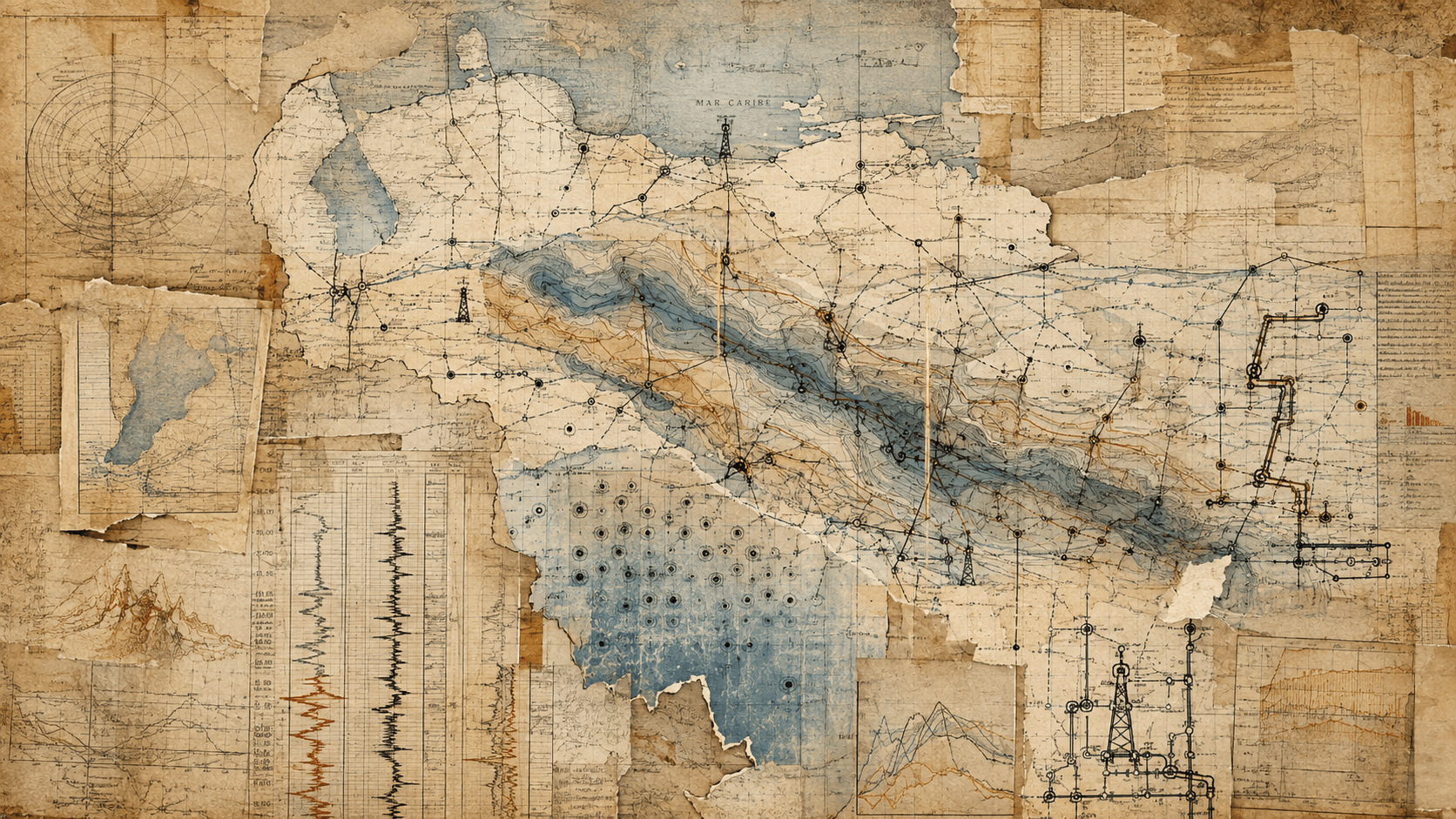
Frontier Grid helps development, investment, and operating teams test whether power, fuel, water, and other physical dependencies can support a project at the required scale and timing — before capital is committed.
Water coverage begins in the St. Johns–Flagler corridor. Fuel-backed power work follows the specific project, assets, and delivery corridor.
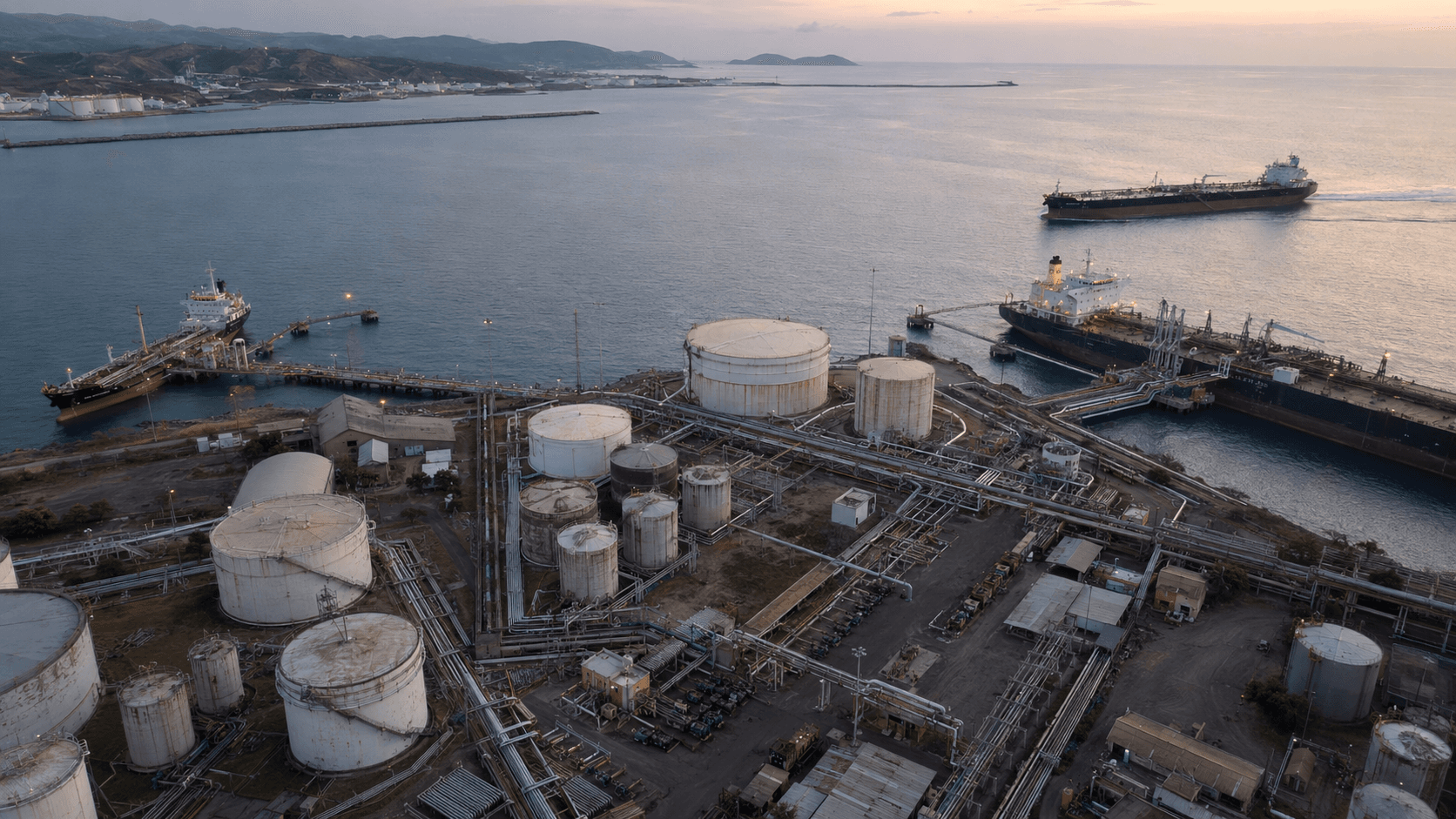
A project can sit near power lines, pipelines, treatment plants, or major corridors and still fail because capacity is committed, transportation is interruptible, local infrastructure is missing, contracts are unresolved, or timing does not align.
Frontier Grid assembles the physical, commercial, and geographic record, identifies what is known, and separates documented conditions from claims that still require formal confirmation.
Frontier Grid uses a common evidence and dependency model across infrastructure systems. Each engagement begins with a specific project, operating requirement, geography, and decision.
Preliminary site and corridor screening that separates systemwide treatment capacity and mapped service areas from parcel-level serviceability.
Large-load readiness analysis connecting a generation plan to physical fuel supply, transportation, contracts, competing demand, permitting, and timing.
Identify the responsible systems, assets, delivery path, and dependencies between regional infrastructure and the project.
Separate published capacity from available, allocated, contracted, or physically deliverable capacity at the required date.
Surface infrastructure bottlenecks, competing demand, contract gaps, permitting dependencies, and conflicting claims.
Translate the evidence into an advance, investigate, restructure, or deprioritize recommendation with explicit assumptions.
The work is most useful during site comparison, project underwriting, land diligence, financing, or power-strategy development — before a team treats announced capacity, nearby assets, or preliminary supplier claims as an executable operating path.
The initial public layer connects official St. Johns utility-zone geometry with treatment facilities, published capacity, expansion programs, known constraints, and formal-confirmation requirements.
Open full coverage and sourcesPalm Coast identifies WWTP1 as the system's principal localized capacity pressure point. The city is funding a major expansion and modernization program.
Facility markers are approximate to the published address. Published capacity is not the same as remaining or committed project capacity.
Deployability is not one static number. Frontier Grid keeps evidence quality separate from operational condition so an inference is never presented as physical delivery, reserved capacity, or a contractual commitment.
Formal material or direct written confirmation from the responsible party.
Permits, plans, capital programs, tariffs, filings, maps, agendas, and regulatory records.
Multiple sources point to the same condition, but project-specific confirmation is still required.
A claim exists, but the available evidence is insufficient, conflicting, or outdated.
The clearest fit is a team comparing sites, underwriting a project, or testing whether an infrastructure strategy survives its physical, commercial, and timing dependencies.
Frontier Grid reduces uncertainty and prepares the next diligence step. It does not replace asset owners, utilities, suppliers, engineers, regulators, or legal counsel.
Data centers connect power, fuel, water, equipment, permitting, geography, contracts, and capital on the same timeline. Frontier Grid uses that pressure to develop a broader deployment-intelligence system, rather than treating compute as a disconnected research category.
Water coverage begins in Northeast Florida. Fuel and power work follows the project corridor, generation configuration, physical delivery path, and commercial dependencies. Expansion happens only when the evidence can support a decision.
A public view of governed access mechanisms across U.S. RTOs, ERCOT, Brazil, and Alberta. The values below come from human-reviewed durable records rather than staging proposals or inferred capacity.
Open Compute Intelligence| Case | Stage | Requested | Connectable | Cap | Next gate | Checked |
|---|---|---|---|---|---|---|
PJM EL26-67 | filed change: yes | — | — | — | Aug 17, 2026 | Aug 9, 2026 |
SPP EL26-68 | filed change: yes | — | — | — | Aug 17, 2026 | Aug 9, 2026 |
NYISO EL26-69 | filed change: yes | — | — | — | Aug 17, 2026 | Aug 9, 2026 |
MISO EL26-70 | filed change: yes | — | — | — | Aug 17, 2026 | Aug 9, 2026 |
CAISO EL26-71 | filed change: yes | — | — | — | Aug 17, 2026 | Aug 9, 2026 |
ISO-NE EL26-72 | filed change: yes | — | — | — | Aug 17, 2026 | Aug 9, 2026 |
ERCOT US-ERCOT-BATCH-ZERO | approved change: yes | 438,000 MW | — | — | Aug 20, 2026 | Aug 9, 2026 |
ONS BR-PNAST-2026-S1 | announced change: no | — | — | — | Sep 28, 2026 | Aug 9, 2026 |
AESO CA-AB-AESO-INTERIM | approved change: yes | — | 1,200 MW | 1,200 MW | — | Aug 9, 2026 |
“—” means unresolved or not published; it does not mean zero.
8 of 9 records currently carry material_change=yes.
Frontier Grid evaluated whether Project Kilby's proposed fuel-backed power strategy could support Microsoft's Pecos data-center campus at the announced scale and timeline.
The analysis followed the project from load and generation configuration through fuel demand, transportation, commercial access, permitting, construction, commissioning, and operating stress.
Independent public-evidence assessment · Evidence cutoff: July 28, 2026
The strategy is physically plausible, but the public record does not yet establish an executable end-to-end gas-delivery path. The controlling dependency is the project-specific chain connecting firm transportation, usable pressure, lateral infrastructure, and gas-in to the first operable generation block.
Do not underwrite the full 2 GW headline for 2028. Advance only a bounded first phase after its fuel path, pressure, lateral, final permit, equipment schedule, and Microsoft acceptance block are evidenced.
The illustrative Site Screen shows the executive recommendation, assessment matrix, open utility questions, next actions, evidence trail, and the line between preliminary intelligence and formal confirmation.
Use the project inquiry for deployment readiness, fuel-backed power, portfolio diligence, or partnerships. Use the structured Water & Wastewater Site Screen for a specific parcel or shortlist in the current coverage area.
Receive occasional notes on infrastructure serviceability, new Florida coverage, compute research, and Frontier Grid releases.